

Why Are Roofing Scams a Problem in Oswego, NY?
Roofing scams often target homeowners who are worried about leaks, wind damage, or aging shingles. Oswego, NY experiences harsh winters, spring storms, and heavy snow, making roofs especially vulnerable. Scammers may show up after storms or during peak repair seasons, knowing that frustration and urgency can cloud judgment.
Unlike legitimate issues with pricing or workmanship, scams involve deception — promising work that isn’t needed, overcharging, or disappearing with deposits. Being aware of these tactics helps area households avoid unnecessary expense and stress.
What Do Roofing Scams Typically Look Like in the City?
Scammers adapt their lies to local circumstances, but their tactics share certain features. Common scams seen in the community include:
- “Storm chasers” going door-to-door after severe weather, offering quick fixes or free inspections
- Requests for large cash deposits or full payment before work begins
- High-pressure tactics — claiming damage is urgent or offering “today only” discounts
- Quoting extremely low prices, then demanding more money as the job progresses
- Showing fake damage or using photos from other homes to frighten residents
- Refusing to provide written contracts or skipping important details on paperwork
In Oswego, where neighbors often know each other and word spreads quickly, these behaviors tend to stand out once you know what to watch for.
How Can You Know if a Roofing Inspection or Problem Is Real?
A trustworthy examination should involve actual, visible concerns matched to your specific roof and supported by clear evidence. Here’s how to assess a roofing inspection:
- Ask to see photos or videos of the actual damage on your roof or inside your attic. Look for familiar landmarks that confirm the images are from your property.
- Genuine issues like missing shingles, warped decking, or visible leaks will usually be apparent. If claims sound alarming but aren’t matched by clear proof, be cautious.
- After significant weather events in the city, true damage will often be spotted by neighbors as well. If only a single visitor claims your home has problems, consider a second opinion.
- Comparison with previous roof maintenance records, home inspection reports, or recent repairs can also highlight exaggerated or false damage reports.
Are There Warning Signs That a Roofing Offer Isn’t Legitimate?
There are specific red flags residents can watch for when approached with roofing offers, especially after storms or during cold, wet seasons:
- A refusal to answer questions clearly or evasiveness about address, identity, or prior work in the area
- Pressure to pay in cash only, or to avoid documentation and receipts
- Demanding a signature on a blank or unclear contract
- Refusing to show proof of local permits, insurance, or compliance with local code — especially important because Oswego properties require certain safety and construction standards
- Vehicles or letterhead that look unmarked, generic, or mismatched with purported credentials
If anything feels hurried, unclear, or incomplete, it’s wise to pause, ask more questions, and involve someone you trust for an extra set of eyes.
What Protections Exist for Area Homeowners?
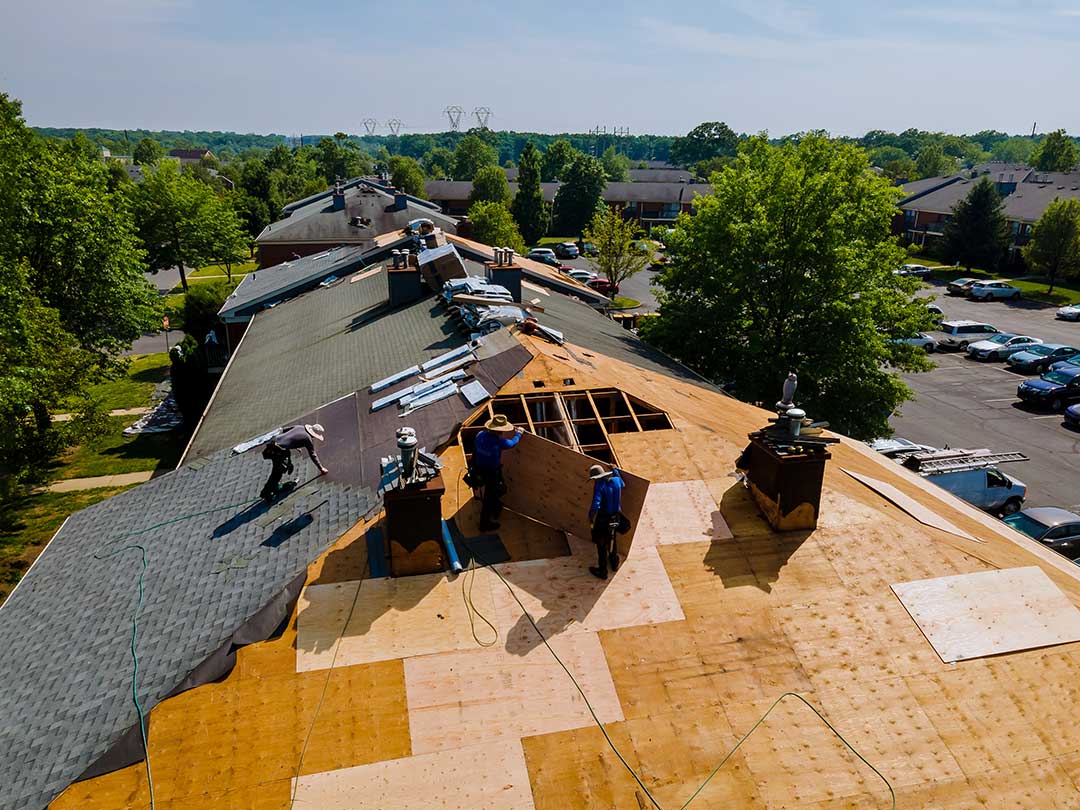
City and state laws offer some guardrails — but being proactive is crucial, since scammers often skirt or ignore official channels. In Oswego, roof work worth over a minimum amount typically requires permits and inspection. Legitimate roofers do not object to showing proof of insurance, business licensing, and references from other residents.
Some practical steps for protection include:
- Request written, itemized estimates and always read the contract details before any payment changes hands
- Use traceable payment methods and avoid large up-front sums unless required by local norms (and only after careful research)
- Don’t hesitate to ask for local references, and independently confirm those with previous customers in the community
- Familiarize yourself with local complaint processes or consumer protection agencies in case you need to report suspicious activity
What Common Misconceptions Put Residents at Risk?
Some widely believed myths can increase the risk of being scammed:
- “My insurance requires me to use the first roof offer I get after a storm.” — This is almost never true. Time taken to verify an offer is usually allowed.
- “A work truck or uniform with a local area code means someone is legitimate.” — Visual appearances can be easily faked.
- “Asking a lot of questions will offend a real contractor.” — Trustworthy professionals welcome questions, understand local concerns, and appreciate careful customers.
- “If a police or local official is mentioned, it must be real.” — Scammers sometimes falsely claim endorsements. City workers do not announce or approve individual businesses in this way.
Staying skeptical of these myths helps protect everyone in the neighborhood.
Where Can Residents Turn For Independent Guidance?
Public agencies, consumer protection offices, or civic organizations can help verify general rules or direct residents to additional resources. Local government websites, building department offices, and legitimate trade associations frequently publish updates on permitting, licensing, and known scam tactics relevant to Oswego. If something seems off or you’re unsure, these resources can offer neutral, up-to-date information.
By staying informed, trusting your observations, and encouraging neighbors to talk openly about suspicious encounters, the community minimizes vulnerability to roofing scams and keeps property investments safer year-round.
