
Roofing technology has advanced beyond simply choosing between asphalt shingles and metal panels. Newer materials, ventilation systems, moisture-monitoring tools, solar options, and installation methods can improve durability and energy performance. For households in Oswego, NY, the most useful innovations are those that address heavy snowfall, freeze-thaw cycles, wind, lake-effect moisture, summer heat, and older housing construction.
Which roofing innovations matter most in Oswego, NY?
The most practical improvements are better moisture control, stronger wind and ice-dam resistance, improved ventilation, and materials designed to last through repeated temperature changes. Technology is most valuable when it solves a specific roofing problem rather than adding features without a clear purpose.
Local roofs must handle conditions that change quickly. Snow can accumulate, melt, refreeze, and melt again. Moisture may enter through small weaknesses around chimneys, plumbing vents, skylights, valleys, and roof edges. A roofing system that performs well in a mild climate may not be the best choice for a home exposed to prolonged winter conditions.
Modern roofing decisions should consider the entire assembly:
- The outer roofing material
- Underlayment beneath the roof covering
- Flashing around penetrations and roof intersections
- Ventilation at the eaves and ridge
- Insulation and air sealing below the roof
- Drainage through gutters and downspouts
- The roof structure’s ability to carry snow loads
A high-tech shingle cannot compensate for poor flashing or trapped moisture beneath the roof.
How have roofing materials improved?
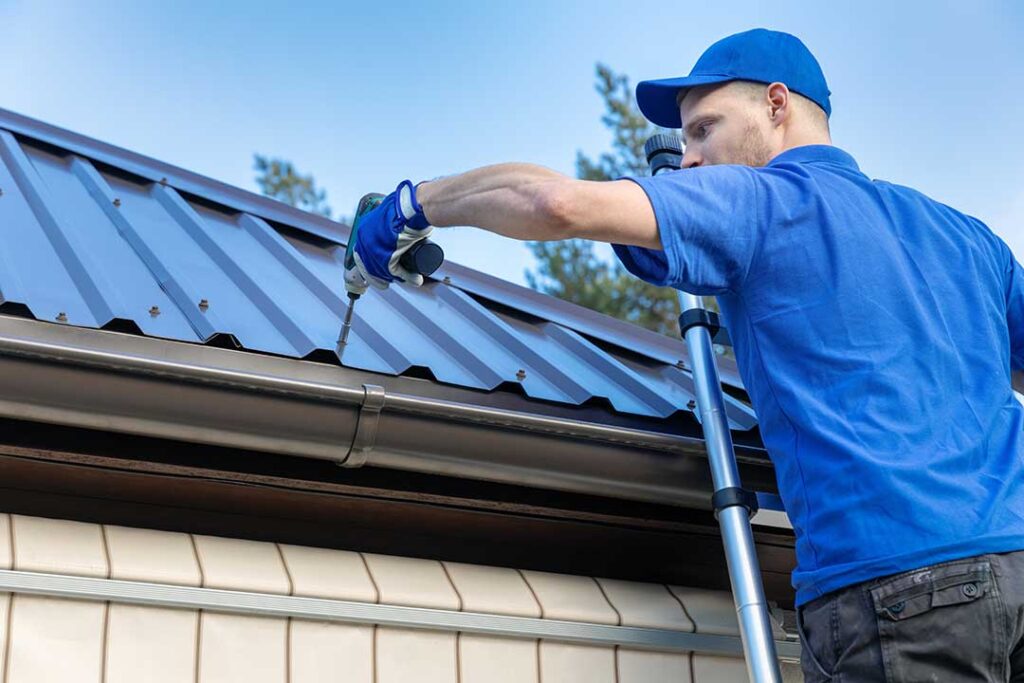
Roofing materials now offer more specialized performance than older products. Asphalt shingles may include stronger reinforcement, improved wind resistance, algae-resistant surfaces, and designs that imitate slate or wood. Metal roofing is available in panels, interlocking tiles, and coatings intended to resist corrosion and weathering.
For local homes, the advantages and limitations vary:
- Architectural asphalt shingles are widely used and can provide better wind resistance and dimensional stability than basic three-tab shingles.
- Metal roofing sheds snow readily and can have a long service life, but snow guards may be needed above entrances, walkways, and areas where sudden sliding snow could create a hazard.
- Synthetic slate or composite roofing may offer the appearance of traditional slate with less weight, although installation details and long-term product performance should be reviewed carefully.
- Cool-roof materials reflect more sunlight and can reduce summer heat gain, but their energy benefit is generally greater in warm weather than during the heating season.
- Recycled-content roofing products may reduce material waste, but environmental claims should be examined for actual recycled content, expected service life, and disposal requirements.
A material’s published wind rating or warranty does not guarantee performance on every roof. Installation quality, roof slope, fastening, ventilation, and exposure conditions remain essential.
What roofing technology helps prevent ice dams?
Ice-dam prevention depends more on controlling heat and airflow than on adding a heated cable alone. An ice dam forms when heat escaping from the living space warms part of the roof, causing snow to melt. Water then reaches a colder roof edge, where it refreezes and blocks drainage.
Current building practices address this problem through several layers:
1. Air sealing limits warm indoor air from entering the attic.
2. Adequate insulation reduces heat transfer through the ceiling.
3. Balanced ventilation allows outside air to move through the roof cavity.
4. Water-resistant underlayment provides secondary protection near vulnerable edges and valleys.
5. Careful flashing helps protect wall intersections, chimneys, skylights, and roof transitions.
Electric roof de-icing cables can be useful in limited locations, but they are not a substitute for correcting air leakage or inadequate ventilation. They may also increase electrical use and require careful placement to avoid damaging roofing materials.
Snow removal should be approached cautiously. Walking on an icy roof can damage shingles and create a serious fall risk. Heavy snow loads may also place stress on older roof framing, especially where previous alterations changed the original structure.
Can smart sensors detect roof leaks?
Yes. Moisture sensors can identify water in attic spaces, beneath insulation, near mechanical penetrations, or around other vulnerable areas. Some systems also monitor temperature and humidity, which can help identify condensation conditions before visible damage develops.
These tools are most useful in locations that are difficult to inspect regularly, such as:
- Finished attic rooms
- Low-slope roof sections
- Areas beneath skylights
- Roofs with multiple valleys or additions
- Homes that are vacant for extended periods
- Buildings containing sensitive equipment or stored materials
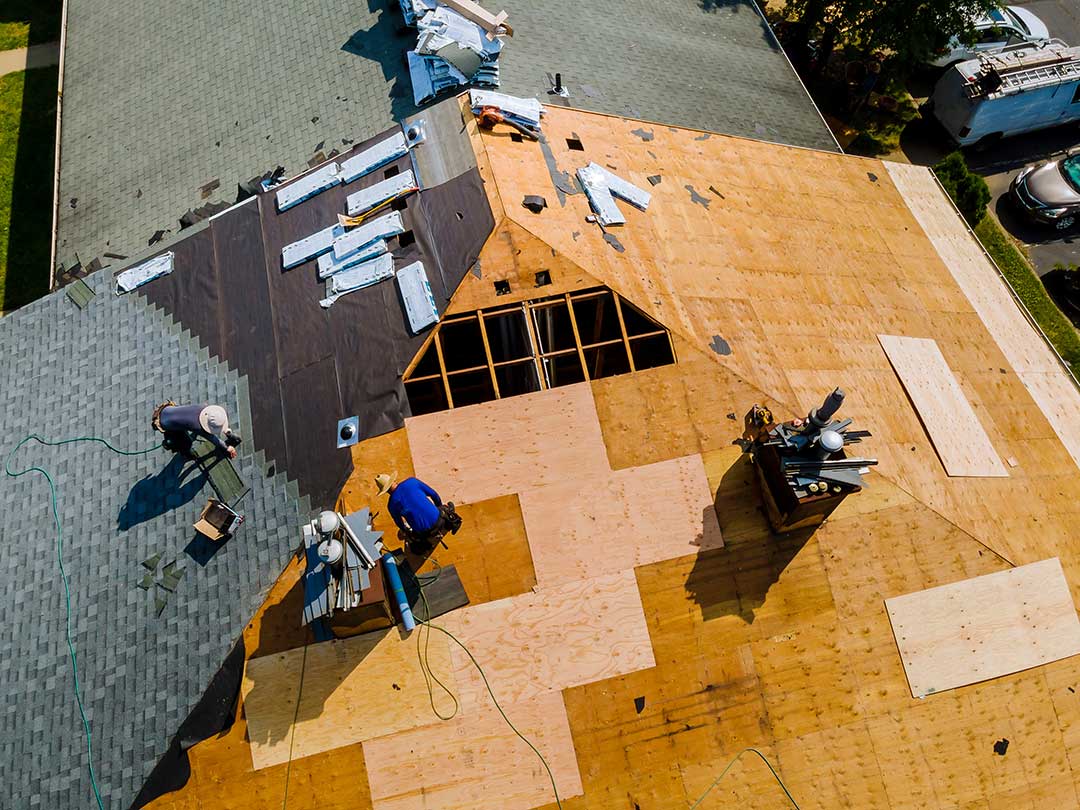
A sensor can report moisture, but it usually cannot determine the exact entry point. Water may travel along rafters, sheathing, insulation, or framing before appearing indoors. Sensor alerts should be treated as an early warning, not a complete diagnosis.
Simple visual inspections still matter. Dark roof sheathing, damp insulation, peeling paint, musty odors, stained ceilings, and recurring condensation can all indicate a moisture problem.
Are solar shingles practical for local homes?
Solar roofing products combine electricity generation with a roof surface, but they are not suitable for every building. Roof orientation, shading, slope, structural condition, snow coverage, electrical design, and the remaining life of the existing roof all affect practicality.
A roof nearing replacement may be a more logical candidate than a recently installed roof, because adding solar equipment later can complicate future roof work. Homes with tree shade, limited roof area, or complex roof shapes may produce less electricity than expected.
Solar shingles can have a lower visual profile than traditional solar panels, but they may involve more specialized installation and repair considerations. Conventional panels may be easier to service or replace, depending on the system. Either approach should be evaluated alongside roof condition rather than treated as a separate energy decision.
Snow can temporarily reduce winter production, although roof pitch, sunlight, wind, and surface conditions affect how quickly snow clears. Solar equipment also requires attention to roof penetrations, flashing, wiring, and access paths.
How is roof ventilation changing?
Ventilation systems are becoming more precise. Instead of relying on a single attic fan, modern designs often use a balanced combination of intake openings at the lower roof edge and exhaust openings near the ridge or upper roof surface.
The goal is to reduce excessive heat and moisture in the attic without drawing conditioned indoor air out of the home. Powered fans can help in certain designs, but poorly placed fans may pull air from the living space through gaps in the ceiling rather than from exterior intake vents.
Ventilation should be coordinated with insulation and air sealing. Blocking intake vents with insulation can reduce airflow, while adding exhaust vents without enough intake capacity may produce little benefit. Older homes may also contain enclosed roof sections, additions, or partial attic spaces that require a different approach from the main roof.
What should homeowners ask before choosing a new roofing system?
Useful questions focus on performance, compatibility, and maintenance rather than appearance alone:
- How does the material perform during freeze-thaw cycles?
- What wind and impact ratings apply to the specific product?
- Is the roof structure suitable for the material’s weight?
- How will snow slide or accumulate on the roof?
- What underlayment and flashing methods are included?
- How will attic ventilation be maintained?
- Are replacement materials likely to remain available?
- What parts of the system require routine inspection?
- How will old roofing materials be handled at the end of their service life?
The most advanced roofing system is not automatically the most appropriate. A well-installed, properly ventilated roof with sound flashing may outperform a more expensive system that is poorly matched to the building.
For area households, the most meaningful innovation is often better coordination between roofing, insulation, ventilation, drainage, and structural design. Technology works best when it addresses the full path that water, heat, air, and snow take across a building.
