

What Should Residents of Oswego, NY Check on Their Roofs Each Fall?
In Oswego, NY, fall is a key time to inspect your roof before the region’s icy, snowy winters arrive. Residents should check for damaged shingles, clogged gutters, and early signs of leaks. Even minor issues now can worsen under heavy snow and freeze-thaw cycles.
- Look for missing, cracked, or curling shingles, especially after summer storms or wind events.
- Examine flashing (metal strips around chimneys, skylights, and vents) for gaps or rust.
- Peek inside your attic on a sunny day—sunbeams or water stains on rafters may reveal issues.
A simple pair of binoculars can help spot roof defects from the ground, limiting the need to climb a ladder.
How Do Autumn Leaves Affect Roofs and Gutters?
Falling leaves can clog gutters quickly in the tree-lined neighborhoods around Oswego. When gutters overflow, water backs up under roof edges or freezes in place, damaging shingles and causing leaks.
- Clean out gutters and downspouts regularly throughout the fall, not just once.
- Remove leaf and twig buildup from roof valleys, where debris tends to gather.
- Use a plastic gutter scoop or gloved hands; avoid metal tools that can scratch gutter coatings.
If trees hang directly over your roof, consider more frequent cleanings during peak leaf drop.
What Maintenance Tasks Reduce Winter Roof Problems in Oswego?
Simple fall tasks can help local households minimize ice dams and roof leaks during winter. Ensuring gutters are clear and attic insulation is adequate will help keep melting snow from seeping into living spaces.
- Clean debris from gutters and check for blockages in downspouts.
- Inspect attic insulation to keep the roof surface cold, discouraging ice dam formation at the edges.
- Look for signs of animal activity—squirrels, birds, or bats often seek shelter in attics as temperatures drop.
Neglecting these chores can lead to costly repairs come spring.
Does Roof Moss and Algae Matter in Fall?
Moss and streaks of algae tend to thrive in Oswego’s damp climate, particularly on shaded or north-facing roof sections. While not always an emergency, moss holds moisture against the shingles, accelerating wear and trapping ice.
- Spot green or dark patches? Gently remove debris by hand or with a soft-bristle broom.
- Avoid power washing—water can be forced under shingles, making problems worse.
- Homeowners may use specialized anti-moss products, but always read labels to ensure compatibility with your shingle type and local runoff regulations.
Addressing moss in fall prevents it from spreading unchecked over the winter.
Are Chimneys, Vents, and Skylights Prone to Fall Issues?
These roof features require special attention before snow and ice. Small cracks, missing seals, or worn flashing can allow wind-driven rain or melting snow to penetrate.
- Check that metal flashing is tight and free of visible rust or gaps.
- Look for missing caulking or cracked mortar around chimneys and vent penetrations.
- Test damper and vent operation for smooth movement and clear airflow.
Overlooking these areas often leads to leaks that are only discovered once pervasive water stains appear indoors.
How Do Local Weather Patterns Shape Fall Roof Care?
Oswego typically experiences lake-effect storms, fluctuating temperatures, and gusty winds as fall progresses. These local patterns create rapid freeze-thaw cycles that can exploit any weakness in your roofing system.
- Pay attention to recent weather events—a windstorm or early snow may reveal new problems.
- Prioritize areas of the roof that face predominant winds or slope toward large trees.
- Watch for heavy banded rainstorms or ice, common in lakeshore regions, that can test the watertightness of your roof layers and seams.
Regular inspection and prompt cleanup after storms help area households stay prepared.
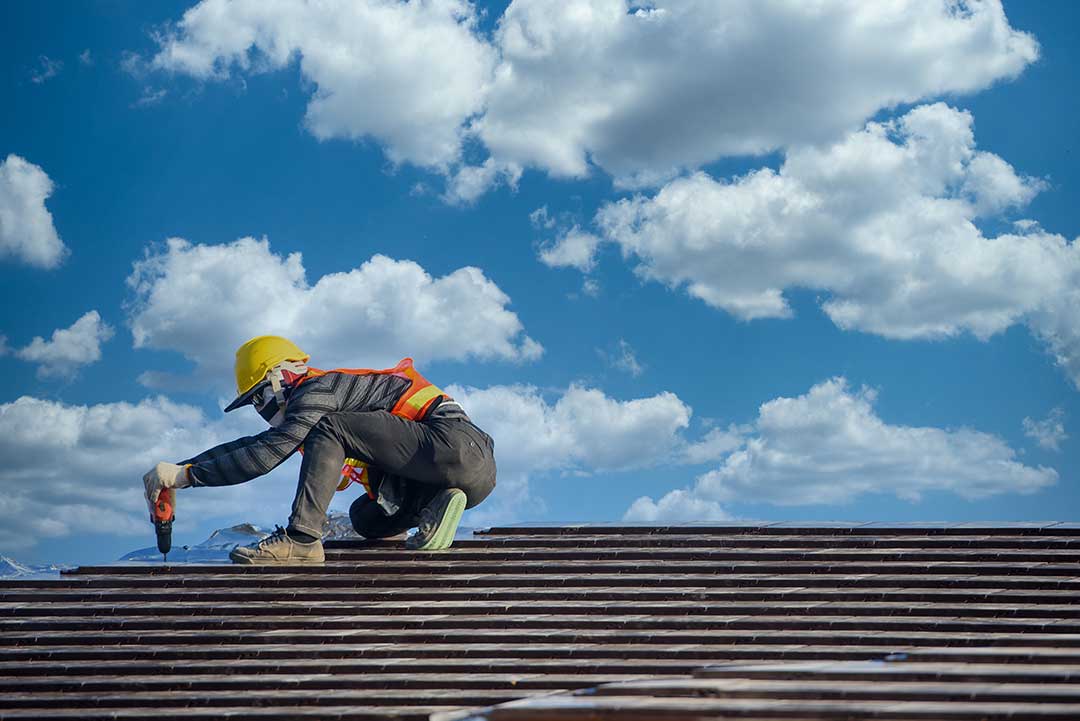
What Safety Precautions Are Needed for DIY Fall Roof Tasks?
Autumn roof checks are manageable for many homeowners, but safety is critical. Wet leaves, frost, and early ice patches can make surfaces slippery.
- Always use a sturdy ladder on even ground, with someone nearby for support.
- Rubber-soled shoes provide better traction.
- Schedule inspections during daylight and dry weather—never climb onto a wet or icy roof.
- Avoid stepping on brittle or aging shingles, which are more likely to crack in cool temperatures.
Any sign of weakened roof decking, steep slopes, or mold should be handled with caution.
Which Fall Roof Myths Often Mislead Residents?
Several common misconceptions can lead to trouble for Oswego households:
- "If the roof isn’t leaking, it’s fine." Small cracks can let in wind or water that only becomes obvious in winter.
- "Gutters only need cleaning once a year." Fall leaf drop and local wind can clog gutters several times between September and December.
- "Moss and algae are harmless." Both shorten shingle lifespans and can mask more serious damage.
- "Attic insulation isn’t urgent before winter." Inadequate insulation and ventilation directly contribute to ice dams and winter leaks.
Staying proactive, rather than reactive, keeps local roofs in better shape through the city’s rugged winters.
