
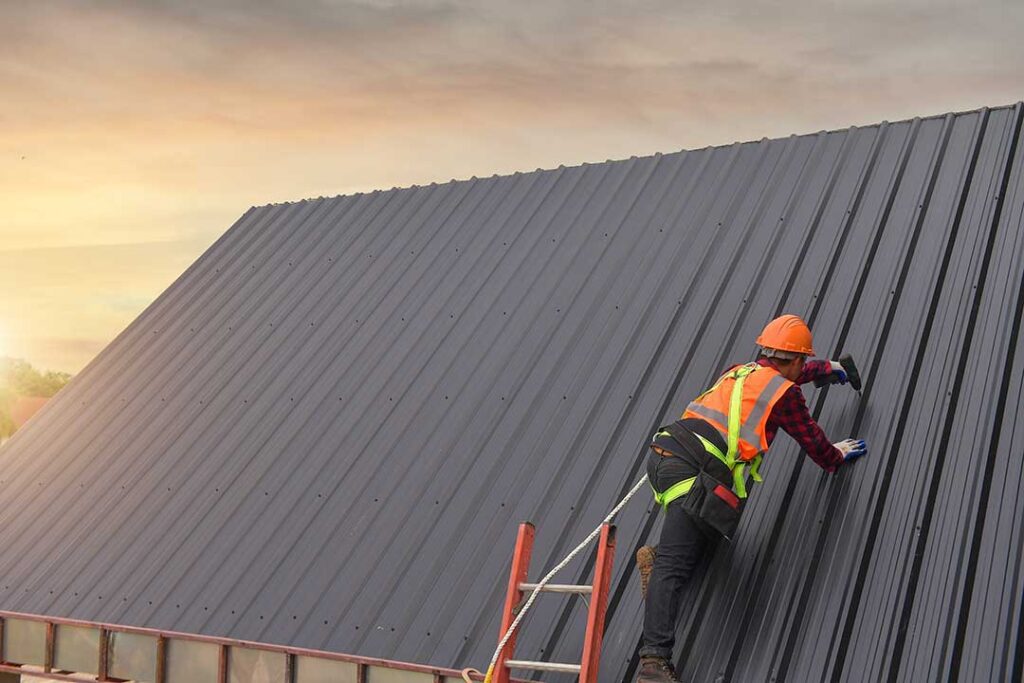
What Causes Shingle Curling and Cracking in Oswego, NY?
Shingle curling and cracking often develop over years, but the local climate in Oswego, NY can accelerate these issues. Curling typically means the shingle edges or corners turn upward or cup, while cracking refers to visible splits across the shingles.
The primary causes include:
- Seasonal temperature swings: Oswego winters are harsh with heavy snowfall and freeze-thaw cycles, while summers can bring strong sun and humidity. Shingles expand and contract, creating stress that shows up as curls or cracks.
- Age and weathering: Most asphalt shingles naturally start to curl and crack after 15-20 years, sometimes sooner in exposed areas.
- Improper ventilation: Inadequate attic ventilation traps heat and moisture, worsening shingle deterioration.
- Poor roof installation: Incorrect placement or nailing can leave shingles vulnerable to movement and damage.
- Wind-driven rain and ice: Lake-effect weather sometimes brings wind that pushes moisture beneath shingles, hastening their breakdown.
Residents often notice problems first after a storm, during spring melts, or when checking for ice dams.
How Can Curling and Cracked Shingles Affect Local Homes?
Shingles in poor condition do more than look worn—they can expose homes to roof leaks, increased heat loss, and further structural damage.
- Curling shingles may lift in strong winds, allowing rain or snow to get underneath, leading to rotted wood, mold, or even leaking ceilings.
- Cracking typically signals the end of the shingle’s protective abilities. Water can penetrate easily and cause damage to the underlayment or framing.
- In high-humidity areas like the city, persistent moisture can worsen mold growth or cause ice dams in colder months.
Homes in older neighborhoods or those with original roofs are especially susceptible, especially in shaded or wind-exposed locations.
When Should Area Households Worry About Curling or Cracked Shingles?
A few curled or cracked shingles don’t automatically mean a roof must be replaced, but ignoring the signs can become costly.
Consider taking action if:
- Curling or cracking appears widely across the roof surface rather than in one localized spot.
- Leaks appear on ceilings or in attic spaces after rain or snowmelt.
- Shingles are curling so much they can be lifted easily by hand, or cracked shingles have exposed the fiberglass mat beneath.
- The roof is more than 15 years old and is showing multiple signs of wear.
Spot-checking after storms or periods of heavy frost can help catch issues early.
What Are Practical Steps for Local Residents Handling Minor Shingle Deterioration?
For smaller, isolated patches of curling or cracking, some hands-on remedies are possible with basic household tools. Always prioritize safety—using a sturdy ladder, wearing shoes with good grip, and avoiding the roof in wet, icy, or windy weather.
Some tips that may help:
- Re-adhere slightly curled shingles with roofing cement placed under the raised edges, then pressing the shingle down firmly.
- Replace individual cracked shingles by gently lifting the edges of surrounding shingles, removing the damaged one, and sliding in a replacement, securing it with roofing nails and adhesive.
- Remove visible debris such as twigs, moss, or leaves, especially in areas prone to holding moisture, to prevent further decay.
Most homeowners feel comfortable handling minor patch repairs during the milder months of spring or early fall, when the roof is dry and temperatures are moderate.
Can Shingle Curling or Cracking Be Prevented in the First Place?
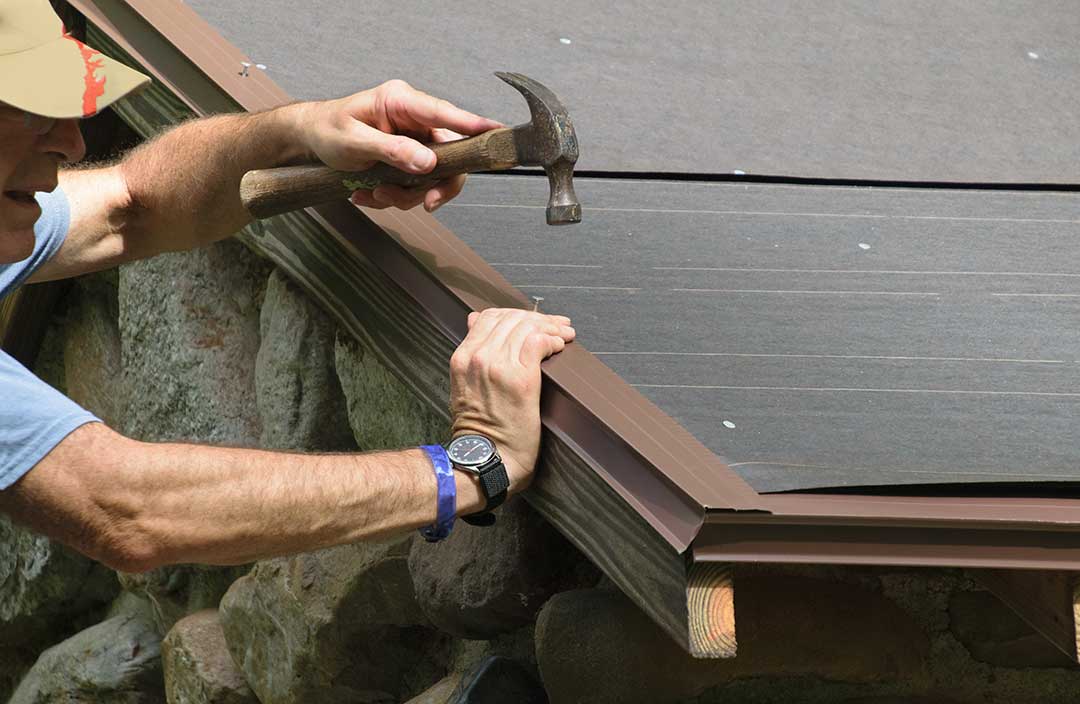
While some degree of weathering is inevitable, residents can extend roof life through attentive care:
- Keep gutters clear to allow proper water drainage and avoid backups that force moisture underneath shingles.
- Ensure attic spaces are well-ventilated to avoid excessive temperature extremes.
- Remove snow carefully after storms, especially around roof edges where ice dams form, avoiding sharp tools that can damage shingles.
- Trim back any overhanging tree branches to reduce debris accumulation and shade, which slow down drying.
- Schedule annual self-inspections, especially after winter, checking for early signs of trouble and acting before small problems escalate.
Owners of older homes often find that a steady maintenance routine makes a noticeable difference. Avoid pressure washing, as it can strip away the protective granules on asphalt shingles, making deterioration worse.
What Are Common Misconceptions About Dealing with Roof Damage in the Area?
Many residents believe that curled or cracked shingles can be ignored until a full replacement is necessary. However, small, proactive repairs can prevent bigger expenses.
Other frequent misconceptions:
- Replacing only the visibly damaged area solves all problems. Often, widespread issues mean the underlying roof may need attention as a whole, not just “spot fixes.”
- Covering the roof with sealant or paint can restore waterproofing. These treatments rarely last in the city’s severe weather and may void manufacturer warranties.
- Damage is only worth addressing if leaks are visible indoors. By the time water makes it inside, more extensive damage to wood or insulation may have already occurred.
Prioritize spotting early-stage issues by looking at the surface of the roof, not just waiting for problems to show up indoors.
Are There Safety or Regulatory Concerns for Residents Attempting Roof Repairs?
Working on a roof presents risks and should be approached with caution. For minor, low-slope roofs, many area households manage safe DIY repairs. However, there are a few situations that require greater care:
- Steep or high roofs—where a fall is possible—should not be attempted without proper safety equipment.
- If shingles contain older materials (from roofs installed before the 1980s), there could be asbestos content, which requires professional removal.
- In Oswego, major roof replacements must comply with local building codes, which may require permits and specific installation practices.
If unsure about local codes or structural safety, city code enforcement or building departments can provide authoritative guidance.
