
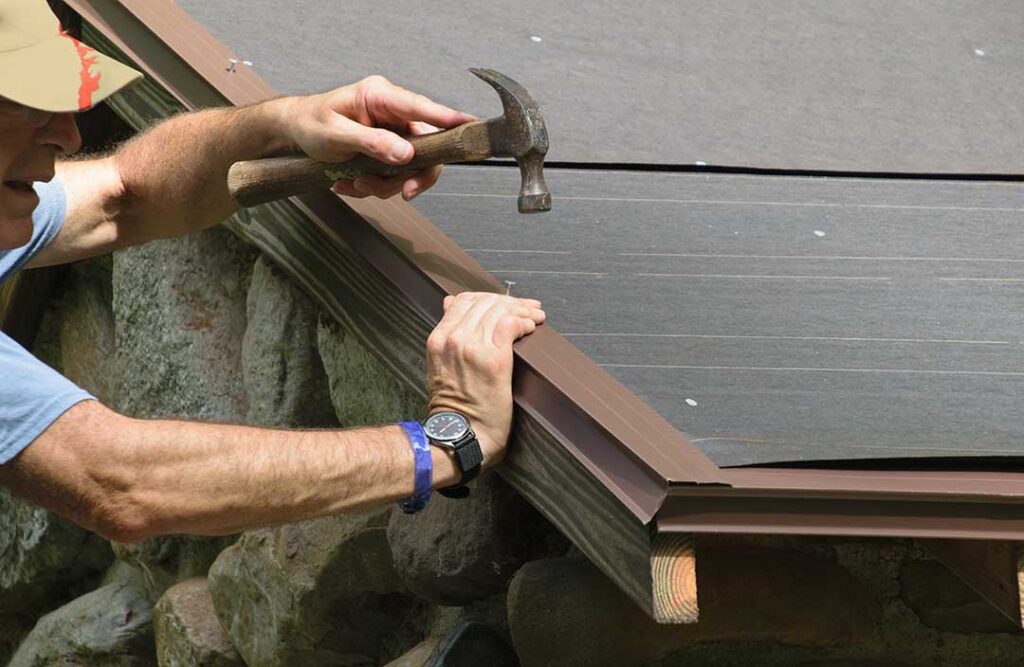
What Is the Difference Between Re-Roofing and Roof Replacement?
Re-roofing and roof replacement are two distinct options for addressing aging or damaged roofs, especially in Oswego, NY’s variable climate. The main difference is that re-roofing involves adding a new layer of shingles over an existing roof, while roof replacement means removing all existing materials down to the deck and installing a completely new roofing system.
When Might Re-Roofing Be Appropriate?
Re-roofing is generally an option when the existing roof has only one layer of asphalt shingles and is still structurally sound. For many area homes, it can provide a temporary, cost-effective solution.
- Re-roofing can help when shingles are worn but the underlying roof is in good condition.
- It is not suitable if there are already two layers of shingles, as building codes restrict additional layers.
- Issues such as rot, sagging, or leaks into the attic space indicate that re-roofing is not the right choice, as these problems require more extensive repairs.
Many Oswego homeowners choose re-roofing as a stopgap to extend the life of their roof before a full replacement becomes necessary. The process is fast and less disruptive, but it doesn’t allow inspection or repair of underlying damage, and may not perform as well in harsh winter conditions typical for the area.
Why Is Roof Replacement a More Comprehensive Solution?
A full roof replacement involves stripping away all previous shingles and underlayment, which exposes the wood decking beneath for inspection and repair.
- This approach is necessary if there are structural issues, leaks, multiple shingle layers, or widespread water damage.
- Roof replacement ensures that ice dam barriers, flashing, and ventilation are properly installed—important in communities with heavy snow and freeze-thaw cycles.
- It allows for upgrades to underlayment or insulation if the home experiences heat loss or moisture problems.
While roof replacement has a higher upfront cost and takes longer, it generally provides better long-term performance and peace of mind, especially against the significant snowfall and mixed precipitation that Oswego experiences in winter.
What Are the Benefits and Drawbacks of Each Option?
Re-Roofing:
- Faster and typically less expensive
- Less mess and shorter duration
- Doesn’t allow access to hidden problems beneath the shingles
- Adds extra weight to the roof structure
Roof Replacement:
- More durable and reliable in the long run
- Provides an opportunity to repair any underlying structural or rot issues
- Requires more time, labor, and upfront investment
- May impact budgets or require planning to coordinate with Oswego’s construction season, often limited by weather
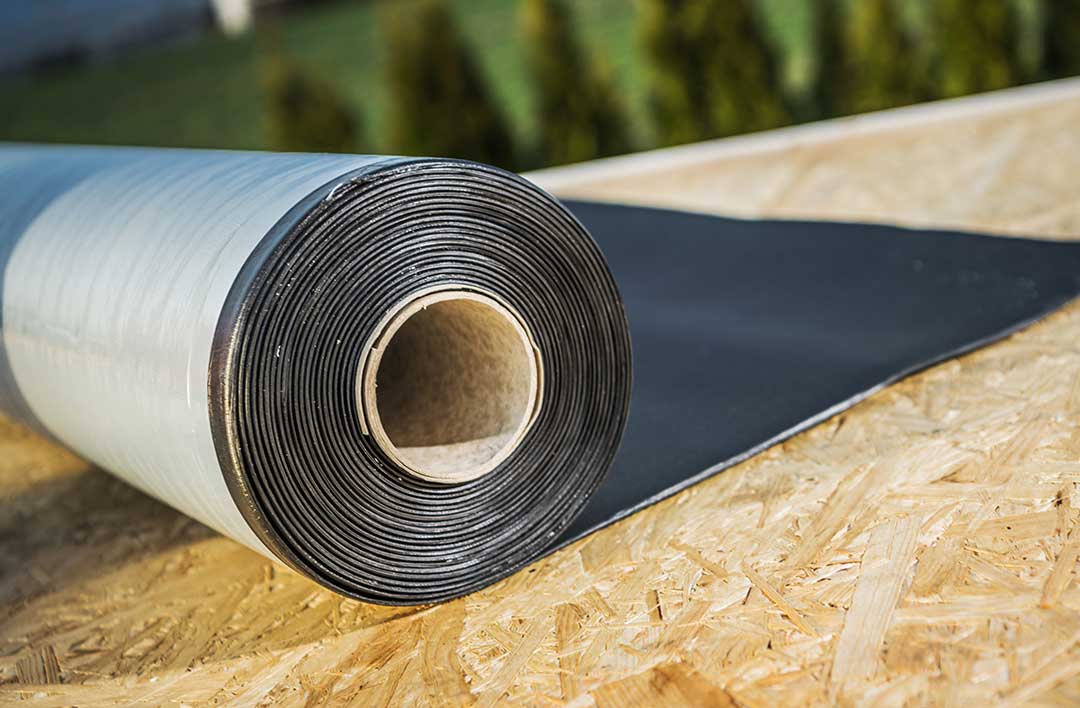
The choice often depends on the specific condition of a roof, the history of repairs, and how severe weather has affected the structure over time.
How Do Oswego’s Local Conditions Influence This Decision?
The cold winters, frequent snow loads, and variable spring thaws in Oswego present unique roofing challenges. Roofs here are often expected to withstand ice buildup, moisture infiltration, and quick temperature shifts.
- Adding a layer through re-roofing may temporarily shield a home, but does not address underlying problems caused by ice dams or wind-driven rain.
- Replacement is often recommended when roofs have endured several severe winters, have evidence of moisture in the attic, or when older roofs struggle with ice dams—a common issue due to fluctuating winter temperatures.
Area households should be especially aware that simply covering over issues with another layer can mask deeper problems, leading to bigger expenses if water intrusion goes unchecked.
Are There Common Misconceptions About These Options?
Many residents believe that re-roofing is always an easy fix for worn shingles, but local roofing guidelines and building codes often restrict re-roofing if there are already two layers. Another misconception is that re-roofing will resolve all past leak problems; in reality, it can cover up moisture issues and allow wood rot or mold to worsen out of sight.
Homeowners sometimes assume that roof replacement is only necessary after catastrophic damage. However, spotty leaks, recurring ice dams, or widespread granule loss from old shingles can indicate deeper structural concerns that justify replacement—even if the roof isn’t visibly falling apart.
What Factors Should Residents Consider Before Making a Decision?
Before deciding, local residents can benefit from a few practical steps:
- Check local building codes to see if multiple shingle layers are permitted.
- Examine the attic for moisture, mold, or wood damage after winter seasons.
- Assess whether recent storms or years of freeze-thaw cycles have caused hidden issues.
- Weigh the potential for higher energy savings and home value with a full roofing system upgrade.
Choosing between re-roofing and roof replacement depends on the roof’s history, age, and visible condition, as well as the specific needs of an Oswego-area home given the region’s challenging climate.
