
What Is Roof Flashing?
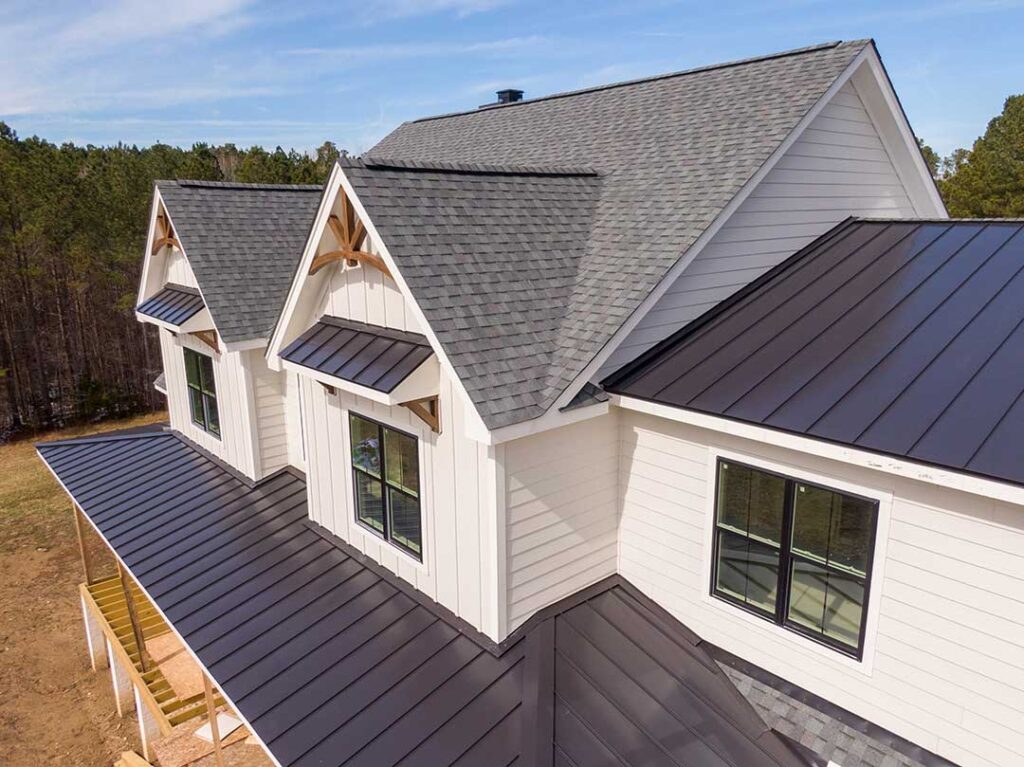
Roof flashing refers to thin, weather-resistant metal pieces installed at key points on a roof—especially where different surfaces meet, such as around chimneys, dormers, vents, and along edges. Its purpose is to direct water away from seams and vulnerable joints, preventing moisture from getting into the structure below.
In Oswego, NY, homes often face harsh winter storms, freezing rain, and significant snowfall. Because accumulated water and melting snow can easily seep into small cracks, having effective flashing is a basic need for local roofing systems.
Why Does Roof Flashing Matter for Local Homes?
Roof flashing plays a critical role in keeping moisture out of a building’s interior. Without it, water can slip into small gaps near features like skylights, causing rot, mold, or structural damage over time. Given Oswego’s freeze-thaw cycles and heavy precipitation, this risk is more than theoretical—water infiltration is a common cause of interior ceiling stains and even attic mold.
Well-functioning flashing acts as a first line of defense:
- Channels melting snow and rain away from seams and underlayers
- Protects wood and insulation from slow leaks and rot
- Reduces the likelihood of ice dam-related leaks at roof edges
Neglecting flashing can lead to repairs far costlier than routine maintenance, especially after a long winter or windstorm.
Where Is Flashing Installed on Local Roofs?
The most common locations include:
- Valleys—where two roof slopes meet
- Perimeter edges and eaves
- Around skylights, chimneys, and plumbing vent pipes
- Wall intersections—where a roof meets a vertical wall
In the city’s mix of historic homes and modern builds, the specific flashing locations may vary, but these critical junctions are vulnerable in most area housing styles.
What Materials Are Used for Flashing?
Flashing is typically crafted from metal, selected for its ability to withstand years of exposure. The metals most often found in Oswego include:
- Aluminum: Lightweight, easy to bend, and resists rust
- Galvanized steel: Stronger and commonly used, but may eventually corrode if coating wears off
- Copper: Durable, develops a natural patina, and is often seen on historic properties
Modified bitumen or rubberized membranes are rarely used for primary flashing but sometimes back up metal flashing or provide added water resistance at complex junctions.
How Does Oswego’s Climate Affect Flashing Needs?
The climate of Oswego, with steady snowfall, lake-effect storms, gusty winds off Lake Ontario, and freeze-thaw cycles, poses extra challenges for roof flashing:
- Ice and snow can build up at roof valleys and eaves, putting extra pressure on flashing seams
- Wind-driven rain sometimes finds its way into unprotected joints or under loose metal
- Freeze-thaw expands small cracks, making it easier for water to get trapped and penetrate under the flashing
Seasonal roof inspections—especially after winter or major wind events—help address early issues before they turn into interior leaks.
How Can Homeowners Identify Problems With Roof Flashing?
Typical signs of failing or poorly installed flashing include:
- Water stains on ceilings, especially near chimneys or exterior walls
- Visible rust or curling edges on metal flashing pieces
- Shingles that appear lifted or “buckled” near valleys or roof edges
- Drips in the attic or unexplained moisture in upper-story rooms following rain or snowmelt
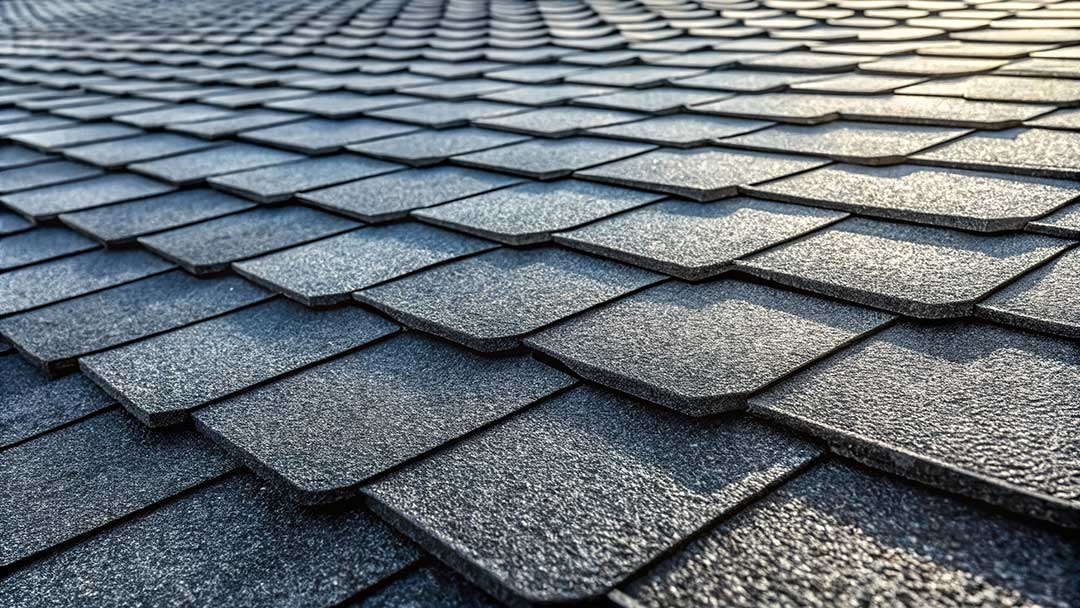
Many flashing problems are subtle. What looks like a minor dent or small gap during a clear day can allow significant water intrusion during a winter thaw or windblown storm.
Are There Common Misconceptions About Roof Flashing?
Several myths persist around flashing:
- “Flashing isn’t needed if shingles look good.” Shingle layers alone cannot stop water from entering roof joints and found around most roof features.
- “Caulk is enough to fix leaks.” Caulk alone is rarely a long-lasting solution. It may temporarily stop drips but breaks down quickly under sun, rain, and snow exposure.
- “Flashings can last as long as the roof itself.” Flashing often wears out or becomes loose before shingles and underlayments need replacement, requiring independent inspection or maintenance.
What Maintenance Does Flashing Require in the City?
Routine checks during seasonal maintenance can extend the life of your flashing and roof:
- Inspect after heavy wind, ice, or hail events for lifted edges, gaps, or missing pieces
- Look for signs of rust, corrosion, or physical damage and address promptly
- Gently remove any debris or plant material that might trap water near flashing seams
- If a ladder inspection is unsafe, observing from the ground with binoculars can help you spot early issues
While some basic checks are within many residents’ abilities, complex repairs involving steep slopes or tall buildings may require specialized knowledge, especially when safety is a concern.
What Happens if Flashing Is Neglected?
If flashing is left unrepaired, moisture can seep into attics, behind walls, and inside insulation, leading to issues such as:
- Mold and mildew growth in insulation and rafters
- Structural wood rot
- Damage to interior finishes such as drywall, paint, and flooring
Promptly addressing small issues with flashing can prevent major repairs and extend the life of both the roof and the structure beneath it.
