

What Should You Do First If You Find a Leak?
Finding a leak in your roof can cause immediate concern, especially during Oswego, NY’s wetter months or after a snowfall melt. The first step is to stay calm, minimize water damage, and protect your household’s safety. Move belongings, electronics, and valuables away from the area. Place buckets, towels, or containers under drips to catch water and avoid slippery floors.
If it’s safe and accessible, trace the leak inside to the ceiling’s highest damp spot. This can help with identifying the general location above the roof, but avoid climbing into attics or onto a wet roof during a storm or while surfaces are slick—personal safety comes first.
Can You Temporarily Control the Leak?
You can often reduce immediate water damage before repairs are possible. For Oswego residents, timing matters; heavy lake effect precipitation and fluctuating temperatures can cause rapid leaks. If drip rates increase, create a small hole in drooping or bubbling ceiling paint or drywall using a screwdriver or nail. This controlled release helps prevent pooling and major collapse, allowing water to funnel safely into a container.
Cover items with plastic sheeting if the leak is spreading. In multi-story homes, check rooms directly below the suspected leak, as water may travel along rafters or pipes before appearing.
How Do You Identify the Problem’s Source?
Pinpointing a roof leak’s source isn’t always straightforward. In Oswego’s climate, common culprits include ice dams, missing or broken shingles, flashing failures near chimneys, and poorly sealed attic vents. Even condensation and blown-in rain during windstorms may cause issues.
If weather permits and it’s safe, look from the ground with binoculars for:
- Shingle damage or loss
- Sagging gutters, which cause ice dams or poor drainage
- Exposed nail heads or lifted flashing around vent pipes
- Accumulated debris blocking drainage paths
Remember that leaks can be several feet away from where water enters the home due to insulation, rafters, or structural features directing flow.
What Are the Most Common Mistakes to Avoid?
Many Oswego households make similar missteps after spotting a leak, which can increase costs or safety risks:
- Attempting a roof climb in poor weather
- Relying on attic buckets without checking insulation or wiring for hidden water
- Ignoring small stains that later become major problems
- Sealing over the leak internally (using caulk, spray foam) rather than letting the area dry
Let wet areas dry and always be aware that hidden moisture can lead to mold growth if not addressed properly.
Should You Try to Repair the Roof Yourself?
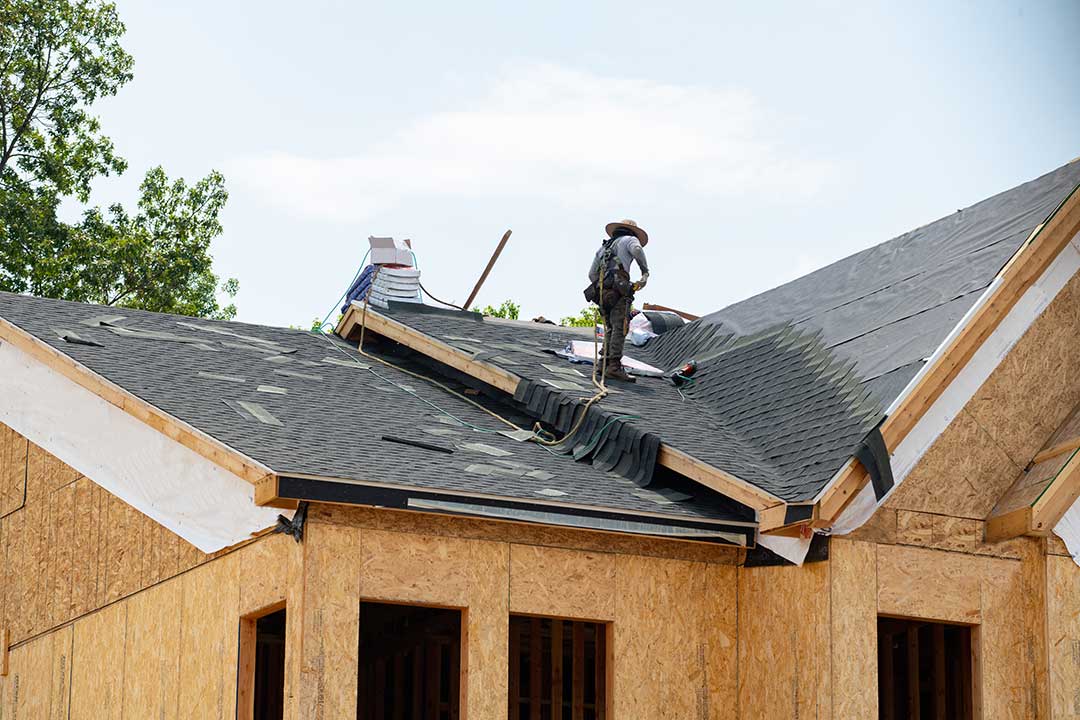
For small, accessible problems—such as a missing shingle or minor flashing gap—some experienced homeowners may attempt a short-term patch once surfaces are dry and weather is clear. However, local roofs often have steep pitches and slippery surfaces, especially in the shoulder seasons. Unless you’re certain about your safety and ability, waiting for more stable conditions is usually wise.
In cases of persistent leaks, widespread staining, or during winter ice damming, significant repairs are best handled by individuals with proper equipment and training. Working from ladders or on roofs in Oswego’s wind, snow, or rain is hazardous.
How Do Local Conditions Affect Leak Response?
Oswego’s proximity to Lake Ontario, frequent high winds, freeze-thaw cycles, and heavy winter snowfall present unique roof challenges. Ice dams, in particular, form when attic insulation allows warm interior air to melt roof snow, which then refreezes at eaves, causing water to back up under shingles.
Local homes may also experience leaks around skylights, vents, and aging flashing due to snow pressure or shifting over time. Residents should check these areas seasonally and address any insulation weaknesses. Keeping attic areas well-ventilated and ceilings properly insulated helps reduce water intrusion risks year-round.
What If You Suspect Mold or Electrical Issues?
Water leaks can create hidden health and safety risks. If you detect a musty odor, see mold developing, or find that water is leaking near lights or electrical wiring, stop using power in that part of the house and avoid touching switches or outlets. Mold can begin spreading within 24-48 hours, especially if insulation or drywall stays damp.
For Oswego homeowners, addressing excessive moisture quickly is especially important due to humid transitional months. Increase ventilation, use fans, and, if possible, remove small areas of wet insulation and drywall after the leak stops. For leaks near wiring or suspected mold spreading between walls, electrical safety and health concerns outweigh DIY attempts—these situations typically require professional assessment.
When Should a Leak Be Considered an Emergency?
Some leaks become urgent—such as those causing rapid ceiling collapse, large volumes of water entry, or exposure to electrical systems. High winds and sudden ice dam breakage, which are common in Oswego, can cause sudden major damage. If any part of your ceiling starts to sag, bulge, or break apart, evacuate that area until a safe cleanup can happen. Leaks that affect multiple rooms, or those occurring during storms that continue to escalate, should be treated as emergency situations.
The key is to minimize risk, protect your household, and document what occurs for future maintenance or insurance if need be. Careful attention in the first minutes and hours after a leak appears can make a real difference in limiting expensive or complex repairs later.
