
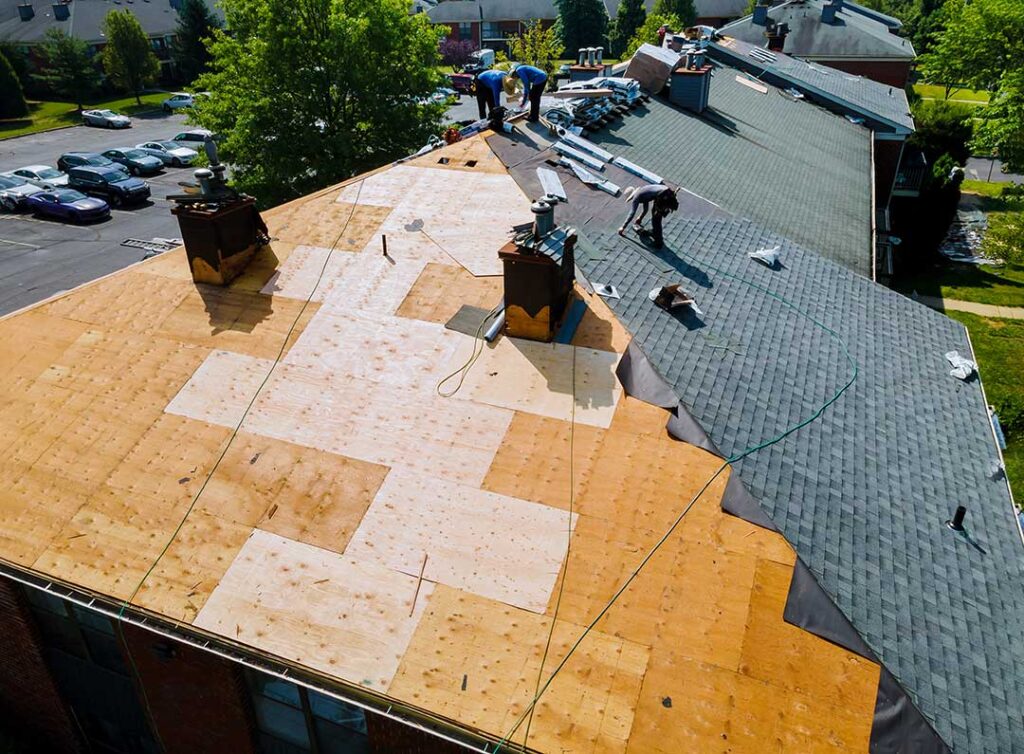
Animal activity can weaken a roof gradually or cause sudden damage. Birds, squirrels, raccoons, bats, mice, and insects may enter through small openings, disturb roofing materials, block ventilation, or create moisture problems that spread beyond the original entry point.
For homeowners in Oswego, NY, seasonal temperature changes, snow, ice, wind, and damp conditions can make animal-related roof damage more difficult to notice and more expensive to correct if it is left untreated.
Which animals commonly affect roofs?
Different animals damage roofs in different ways. Some create openings, while others use existing gaps around roof edges, vents, chimneys, and utility penetrations.
- Squirrels may chew fascia boards, roof edges, soffits, and electrical components near attic spaces.
- Raccoons can lift shingles, tear underlayment, damage flashing, and enlarge openings around roof edges.
- Birds often nest beneath loose shingles, behind chimney caps, or near vents. Nesting material can block airflow and hold moisture.
- Bats commonly enter through narrow gaps near flashing, ridge vents, soffits, and roof-wall intersections.
- Mice and other rodents may enter through small openings and damage insulation, wiring, and stored materials inside the attic.
- Wasps, carpenter bees, and ants can use or enlarge weakened wood around eaves, trim, and roof penetrations.
A roof does not need to be visibly missing shingles for animal activity to be present. Small openings can be hidden beneath overhangs or in areas that are difficult to see from the ground.
How do animals get inside a roof or attic?
Animals usually enter through vulnerable transition points rather than through the middle of an intact roof. Common access points include damaged shingles, loose flashing, open soffits, uncapped chimneys, deteriorated fascia, and gaps around vents or pipes.
Weather can create the first opening. High winds may loosen a shingle or flashing edge, while freeze-thaw cycles can widen a crack or separate materials. Once a gap exists, an animal may enlarge it by chewing, clawing, or pushing against the surrounding material.
Roof edges deserve particular attention. Eaves and soffits are exposed to wind-driven rain and are often made of lighter materials than the main roof surface. A small failure in this area can provide access to both the attic and the wall cavity.
What types of roof damage can animals cause?
Animal-related damage may affect the roof covering, structural wood, insulation, ventilation, and indoor air quality.
Shingles and underlayment
Claws and body weight can lift or break shingles. If an animal pulls back the roof covering, the underlayment may be exposed to rain and melting snow. Repeated movement can also loosen nearby shingles, turning a small damaged area into a wider leak path.
Flashing and seals
Flashing around chimneys, vents, skylights, and roof-wall intersections is designed to direct water away from vulnerable joints. Animals may bend, tear, or dislodge this material. Even a small separation can allow water to travel behind the visible roof surface.
Fascia, soffits, and trim
Chewing and nesting can damage wood or composite trim along the roof perimeter. Water may then enter the edge of the roof assembly, where it can remain hidden for long periods.
Insulation and ventilation
Nesting materials, droppings, and disturbed insulation can restrict airflow. Poor attic ventilation contributes to condensation, especially during cold weather when warm indoor air reaches a cold roof deck.
Wiring and structural components
Rodents may chew electrical wiring. Larger animals can damage roof decking, rafters, or framing near an entry point. These conditions require particular caution because they may involve fire, falling-material, or structural hazards.
What signs suggest animal activity?
Some warning signs appear outside, while others are easier to detect inside the attic or upper floors.
Look for:
- Scratching, thumping, or squeaking sounds above ceilings or inside walls
- Shingles that appear lifted, torn, or displaced
- Holes or gnaw marks near soffits, fascia, vents, and roof edges
- Nesting materials near vents, chimneys, or attic openings
- Droppings, feathers, fur, or strong animal odors
- Damp insulation, water stains, or discolored roof decking
- Daylight visible through the attic roof or wall surfaces
- Unusual drafts near attic hatches, recessed lights, or ceiling edges
- Increased insect activity near damaged wood
A water stain may not appear directly below the animal entry point. Water can travel along rafters, roof decking, insulation, or framing before reaching a ceiling.
Can animals cause roof leaks during winter?
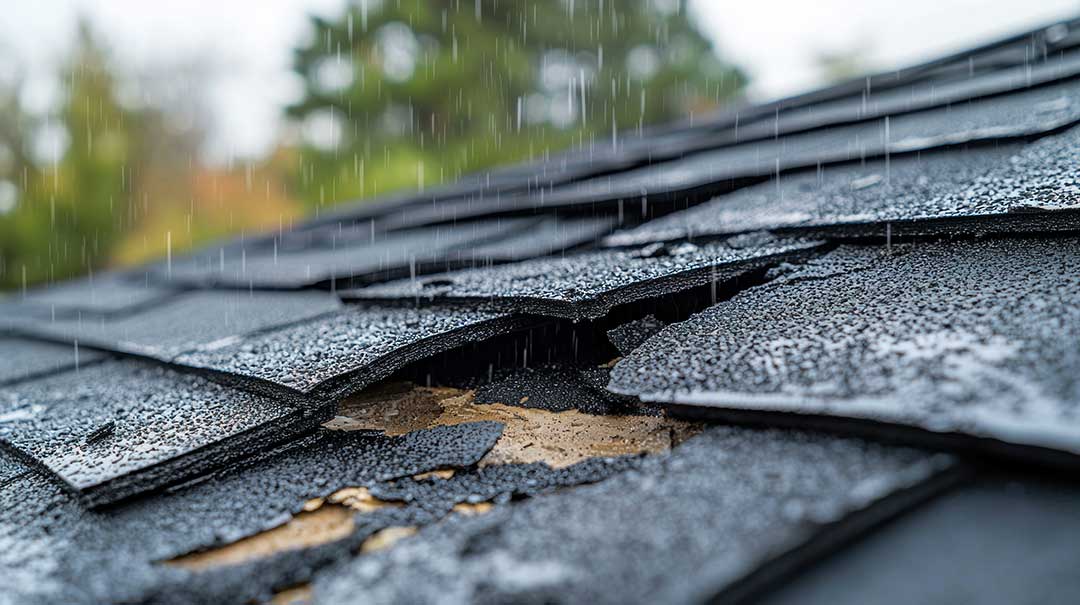
Yes. Winter conditions can make an existing opening more serious. Snow may cover the damaged area, making the problem difficult to see, while melting snow can enter beneath lifted shingles or damaged flashing.
Ice buildup along roof edges can also place pressure on already weakened materials. If an animal has disturbed the roof edge or blocked drainage, meltwater may back up beneath the roof covering.
Cold weather may drive animals deeper into attic spaces, where they seek warmth and shelter. Their movement can disturb insulation and expose additional gaps. Periodic inspection of accessible attic areas is useful after major wind, snow, or ice events, but homeowners should avoid walking on icy roofs.
Should a homeowner repair the opening immediately?
The opening should be addressed promptly, but the animal must be considered first. Closing an active entry point can trap an animal inside the attic or separate a parent from young animals. Some species may also be protected by wildlife regulations or require careful exclusion practices.
A safe sequence generally involves:
1. Identifying the entry point and determining whether the space is occupied.
2. Confirming whether more than one opening exists.
3. Removing or excluding animals through methods appropriate to the species.
4. Repairing damaged roofing, flashing, trim, or structural materials.
5. Cleaning contaminated insulation or nesting material safely.
6. Checking for hidden moisture, wiring damage, and ventilation problems.
Roof repairs alone may not solve the underlying issue if a vent, chimney cap, soffit, or tree limb continues to provide access.
How can animal-related roof damage be reduced?
Prevention focuses on maintaining the roof perimeter and limiting access without interfering with proper ventilation.
Useful measures include:
- Replacing loose or damaged shingles before animals enlarge the opening
- Maintaining flashing around chimneys, vents, skylights, and roof-wall joints
- Repairing deteriorated fascia and soffits
- Keeping attic vents functional and protected with suitable screening
- Trimming limbs that provide easy access to the roof
- Securing chimney openings with properly designed caps
- Checking roof edges after strong wind, heavy snow, or ice events
- Keeping food waste and outdoor pet food away from areas that attract wildlife
- Inspecting attic insulation for trails, nests, droppings, or compressed areas
Screens and barriers must be installed carefully. Blocking a vent or sealing an opening without preserving airflow can create moisture and condensation problems.
When is specialized help necessary?
Professional assistance is warranted when the situation involves live wildlife, contaminated insulation, electrical wiring, structural damage, steep or icy roof surfaces, or an entry point that cannot be safely reached from the ground.
Homeowners should not enter a confined attic space if there are heavy droppings, strong odors, aggressive animals, exposed wiring, or signs of unstable framing. Disturbing nesting material can also release dust and contaminants.
The most useful inspection looks beyond the visible hole. It should consider how the animal entered, whether water has reached the roof assembly, whether ventilation remains adequate, and whether the damage extends into framing or interior walls.
Animal damage is often manageable when discovered early. Regular attention to roof edges, attic conditions, and signs of moisture can prevent a small opening from becoming a larger roofing, structural, or indoor-air problem.
