
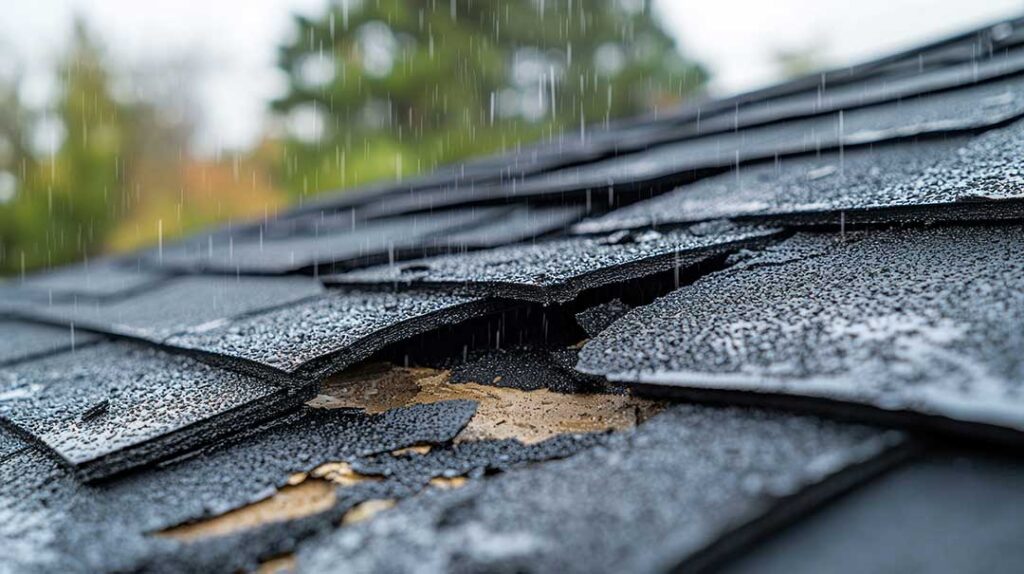
Roof underlayment is the protective layer installed between a roof’s outer covering and the roof deck. Although it is usually hidden after construction, underlayment helps manage water, wind-driven rain, condensation, and minor roof-covering damage.
For homes in Oswego, NY, this layer deserves particular attention because roofs must handle heavy rain, freezing temperatures, snow, ice, and repeated winter thawing. Understanding its purpose can make it easier to recognize roofing problems and evaluate repair or replacement work.
What does roof underlayment do?
Roof underlayment provides a secondary barrier beneath shingles, metal panels, or other roof coverings. The outer roofing material sheds most water, while the underlayment helps protect the roof deck if moisture gets beneath that surface.
Water can reach the underlayment through several paths:
- Wind-driven rain can enter beneath overlapping shingles.
- Ice can form near eaves and redirect melting water under the roof covering.
- Damaged, loose, or missing roofing materials can expose seams.
- Snow and debris can interfere with drainage.
- Condensation can develop when warm, moist indoor air reaches a cold roof assembly.
Underlayment is not intended to replace a properly installed roof covering. It works as part of a larger system that includes the roof deck, flashing, ventilation, fasteners, and exterior roofing material.
What types of underlayment are used?
The three broad categories are asphalt-saturated felt, synthetic underlayment, and self-adhering membrane.
Asphalt-saturated felt
Traditional felt underlayment has been used for many decades. It is generally made from a fiber base saturated with asphalt and is available in different weights.
Felt can provide reliable temporary protection during installation, but it may wrinkle, tear, or absorb moisture more readily than newer materials. Its performance depends heavily on proper fastening, smooth installation, and protection from prolonged exposure.
Synthetic underlayment
Synthetic products are made from manufactured polymers. They are typically lighter than felt, resist tearing, and can remain more stable during installation.
Synthetic underlayment is common beneath many modern roofing systems. However, the term “synthetic” does not automatically indicate a particular level of quality. The product’s design, fastening method, approved exposure time, and compatibility with the roof covering all matter.
Self-adhering membrane
Self-adhering membranes have a bonding surface that seals around many fasteners and adheres directly to the roof deck. They are often used in areas that need extra water protection, such as eaves, valleys, roof penetrations, and transitions.
These membranes can be useful in cold-weather regions, but they must be installed on a suitable, clean, and properly prepared surface. Application requirements vary, and some materials can trap moisture if used inappropriately.
Where is extra underlayment protection most useful?
The most vulnerable areas are locations where water moves slowly, changes direction, or encounters an opening.
Eaves are especially significant in climates with snow and freeze-thaw cycles. If ice forms along the lower edge of a roof, melting water may back up beneath shingles. A properly designed water-resistant membrane in this area can provide added protection, but it cannot correct poor attic insulation, inadequate ventilation, or drainage problems by itself.
Valleys also receive concentrated water flow. Underlayment in these areas must work with the valley design and flashing. A valley that is improperly shaped, fastened, or covered may leak even when high-quality underlayment is present.
Other areas that require careful detailing include:
- Chimneys and other masonry intersections
- Skylights and roof windows
- Plumbing vent openings
- Sidewalls and roof-to-wall transitions
- Dormers and changes in roof slope
- Areas beneath roof-mounted equipment
Leaks often appear some distance from the actual entry point. Water may travel along the roof deck or framing before becoming visible indoors.
Is underlayment waterproof?
Some underlayment products are designed to resist water strongly, but underlayment should not be treated as a complete waterproof roof.
Most roof systems depend on overlapping layers that direct water downward. Seams, fastener holes, penetrations, and edges still require correct installation. Underlayment that is exposed for too long may deteriorate, loosen, or lose its intended performance.
A roof can also experience moisture problems from inside the building. Warm indoor air may move into the attic through gaps around light fixtures, wiring, plumbing, access panels, or ductwork. When that air reaches cold surfaces, condensation may form. Replacing underlayment will not solve an indoor air-leakage or ventilation problem.
How long can underlayment remain exposed?
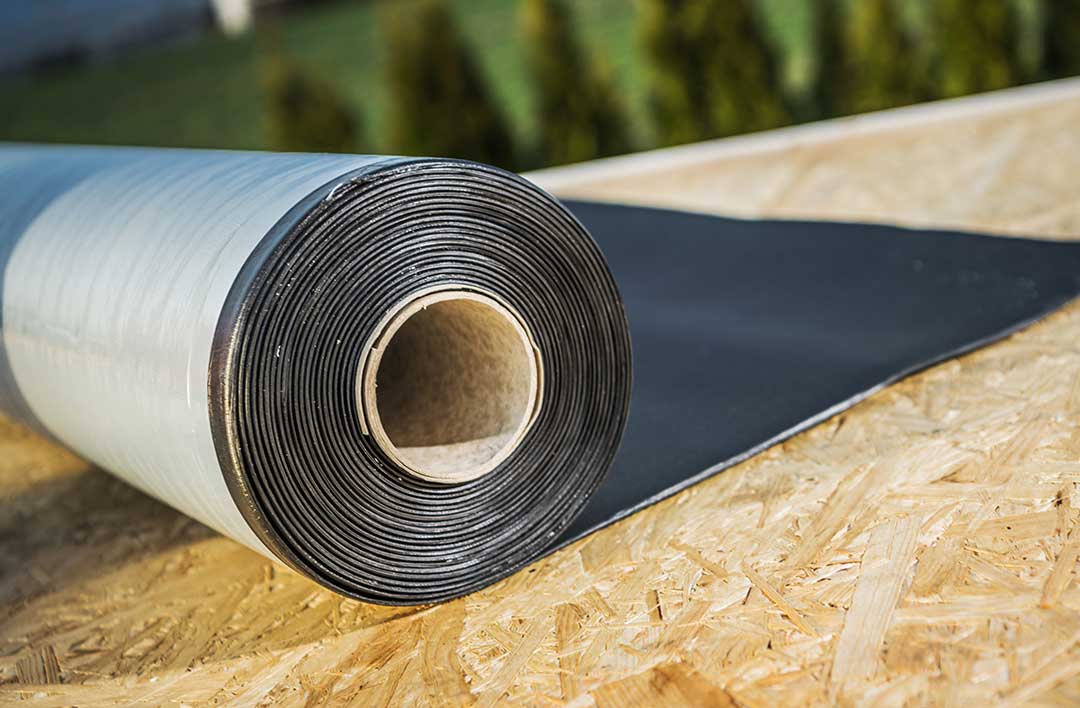
The permitted exposure period depends on the material and the manufacturer’s installation instructions. Some products are intended to remain exposed for only a short time, while others are designed for longer construction delays.
Exposure to ultraviolet light, wind, rain, foot traffic, and temperature changes can reduce performance. A roll of material that looks intact may still have weakened seams or damaged fastener areas.
For this reason, underlayment should not be viewed as a finished roof. It is a temporary weather barrier during construction and a secondary protective layer after the roof covering is installed.
Can old underlayment be reused?
Usually, underlayment is not reused once a roof covering has been removed. It may be torn, brittle, wrinkled, or full of old fastener holes. Even if it looks acceptable from above, its ability to shed water and support proper installation may be reduced.
Roof replacement also provides an opportunity to inspect the roof deck. If the deck is soft, stained, delaminated, or damaged by prolonged moisture, installing new underlayment over it may conceal a structural or moisture-related problem.
The condition of the deck matters because underlayment is only as reliable as the surface beneath it. A clean, smooth, properly fastened deck allows the material to lie flat and maintain consistent overlaps.
What underlayment problems can homeowners recognize?
Most underlayment is hidden, so homeowners usually notice related symptoms rather than the material itself. Warning signs may include:
- Water stains on ceilings or upper walls
- Damp insulation in the attic
- Musty odors after rain or thawing weather
- Staining around chimneys, valleys, or skylights
- Dripping that occurs only during wind-driven rain
- Ice buildup along lower roof edges
- Shingles that lift, curl, or appear uneven
- Light visible through gaps in the roof deck
A leak that appears only during certain wind directions can suggest a problem with flashing, overlapping materials, or a roof transition. Moisture that appears during very cold weather may involve condensation rather than a direct exterior leak.
Does roofing code determine the underlayment used?
Building requirements can affect underlayment, ice-barrier protection, flashing, ventilation, and fastening methods. Requirements may also vary according to roof slope, material, construction details, and the applicable edition of local and state codes.
Product instructions are also part of proper installation. A material may require specific overlap dimensions, approved fasteners, special treatment at edges, or limitations over certain roof decks.
Because regulations and product requirements can change, code-related questions should be checked against the current requirements that apply to the property. This is especially relevant when a roof is being replaced, altered, or rebuilt after storm damage.
What should be checked after a roof is installed?
A finished roof should have consistent lines, secure roof-covering materials, properly integrated flashing, and no visible signs of wrinkled or exposed underlayment. In the attic, the roof deck should be checked for active moisture, damp insulation, daylight through unintended openings, and signs of poor ventilation.
Documentation can also be useful. Property owners may want to keep records of the roofing materials used, installation date, areas treated with specialized membrane, and any repairs to the roof deck.
Underlayment is easy to overlook because it disappears beneath the finished roof. In a climate with snow, rain, wind, and repeated temperature swings, however, this hidden layer plays an important role in keeping moisture from reaching the roof structure and interior of the home.
